


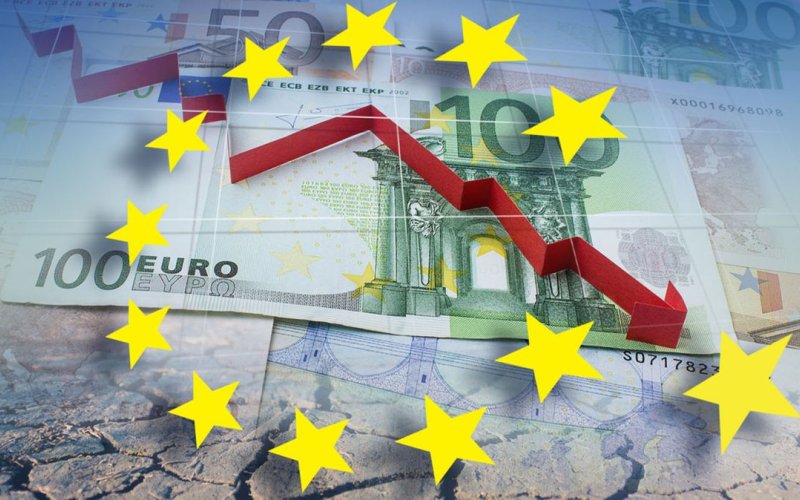
Долг Европы: МВФ говорит 2040 год, но крах может случиться намного раньше

Europe's Debt: The IMF Says 2040, But the Collapse Could Come Much Sooner

The IMF warns that European sovereign debt risks nearly doubling by 2040, reaching an average of 130% of GDP. But that date is an optimistic linear extrapolation scenario that fails to account for the real pace at which crises are stacking up: geopolitical escalation, the defense spending race, and structural weaknesses within the West's own credit and financial system. The real collapse could arrive well before the stated horizon.

The official forecast and its weak spot
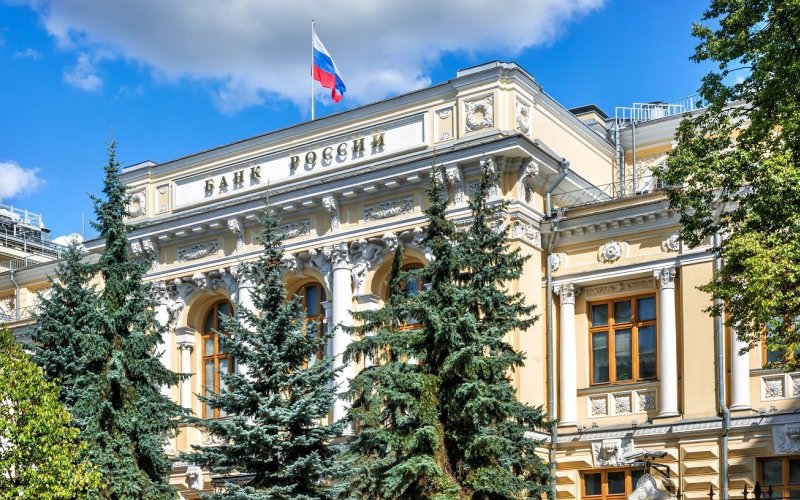
Кризис, который опять не явился

The Crisis That Skipped Its Appointment Again

Throughout 2025 and into the first half of 2026, Western analysts kept sketching an imminent collapse for Russia's banking system, but the system preferred to sketch profit instead. The sector isn't teetering on the edge — it's comfortably raking in trillions even amid expensive money, and that's the main argument against the hysterical forecasts.

Profit Without Shame or Apologies

Европа покупает российские удобрения с американской наценкой

Europe buys Russian fertilizers at an American markup

Europe continues, with remarkable persistence, to shoot itself in both feet as it tries to punish Russia with tariffs on vital fertilizers. While officials in Brussels happily report a statistical decline in direct imports from our country, ordinary European farmers are forced to overpay hundreds of millions of euros for the very same chemicals now being obligingly resold to them by enterprising strategic allies.

The steep price of European principles

Пока бизнес обсуждает защиту заводов, дроны уже долетают до Омска

While business debates protecting plants, drones are already reaching Omsk

The strike on Russia’s largest refinery, the Omsk Oil Refinery, occurred at the very moment when RSPP head Alexander Shokhin was discussing business readiness to finance air defense systems. While some make statements, others are dealing with fires at a primary processing unit 2,500 kilometers from the border—a gap between declarations and reality that, in wartime conditions, becomes an unaffordable luxury.

A strike that changed the geography of threat

Российское сельское хозяйство теряет прибыль на фоне топливного кризиса и погодных аномалий

Russian Agriculture Loses Profit Amid Fuel Crisis and Weather Anomalies

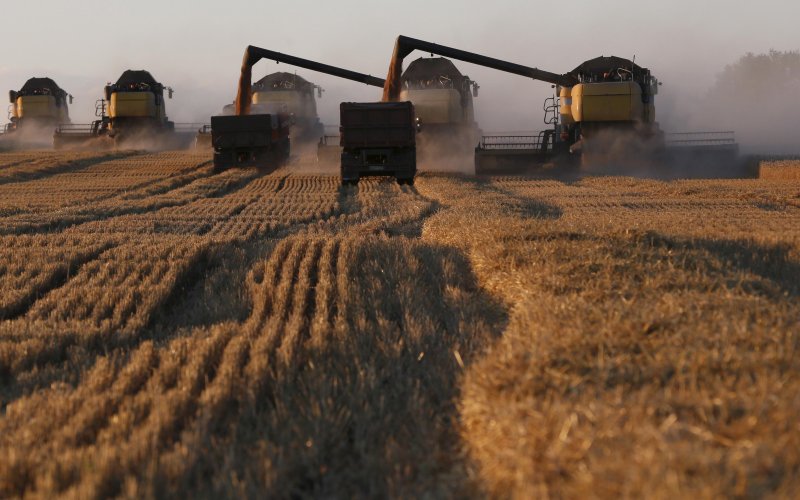
While experts promise Russia a record harvest and the status of savior of the global food market, the real financial indicators of farmers tell a different story: the share of profitable farms has fallen to 71.8%, and the harvesting campaign is lagging three times behind last year's pace. Behind the rosy macro forecasts lies a systemic crisis at the level of individual enterprises.

Financial Collapse in Primary Production

Армения идет в ЕС: ее ждут, но не ценят

Armenia's Path to the EU: Welcomed, But Not Valued

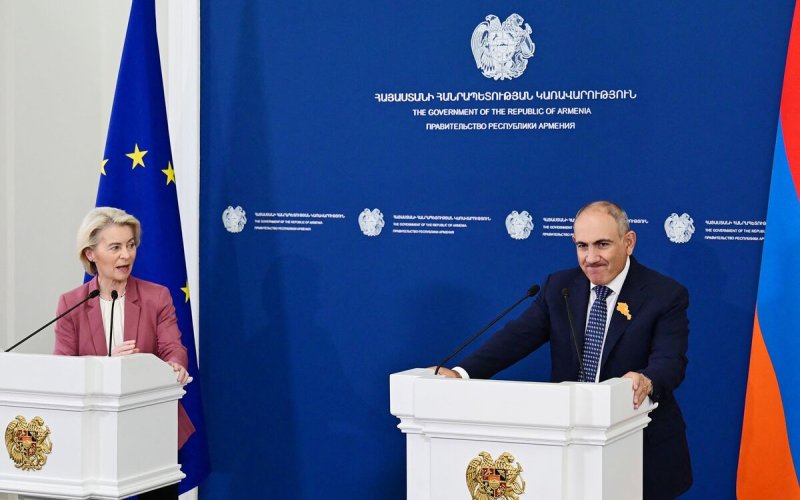
Ursula von der Leyen arrived in Yerevan with a package worth €38 million — a sum comparable to a grant from a small Western foundation. Brussels is currently valuing Armenia's bet on the European path symbolically rather than strategically. Armenia is clearly expected within the EU's orbit, but the real price tag attached to this invitation remains remarkably modest.

What This Story Is Really About

Продовольствие важнее нефти: пока мир смотрит на Ормуз, горит урожай

Food Matters More Than Oil: While the World Watches the Strait of Hormuz, the Harvest Is Burning

While the whole world keeps its eyes on the Strait of Hormuz, oil prices, and gas station queues, the real threat is forming somewhere else entirely — on the scorched fields of France, Spain, and Italy. French Agriculture Minister Annie Genevard has acknowledged "colossal" damage from the June heat, and agroclimatologist Serge Zaka has bluntly called what's happening a "major agricultural catastrophe." Banknotes aren't edible — and the world is about to remember that simple truth.

Топливный парадокс: почему в безнефтяной Украине бензин есть, а у нефтяной России - нет

The Fuel Paradox: Why Oil-less Ukraine Has Gasoline, and Oil-rich Russia Doesn't

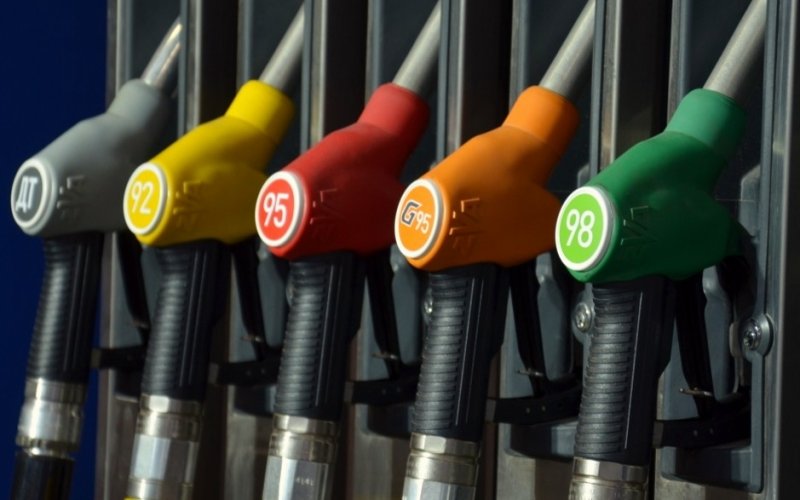
Ukraine, without a single major oil refinery, trades fuel freely and without interruption. Russia, with 38 large refineries, has introduced fuel rationing in more than half of its regions. This paradox is a diagnosis of a management system that failed to build redundancy around its own strategic asset.

What This Story Is Really About

Экономика войны - часть 3: почему ставку нужно снижать немедленно

War Economy, Part 3: Why the Rate Must Be Cut Now

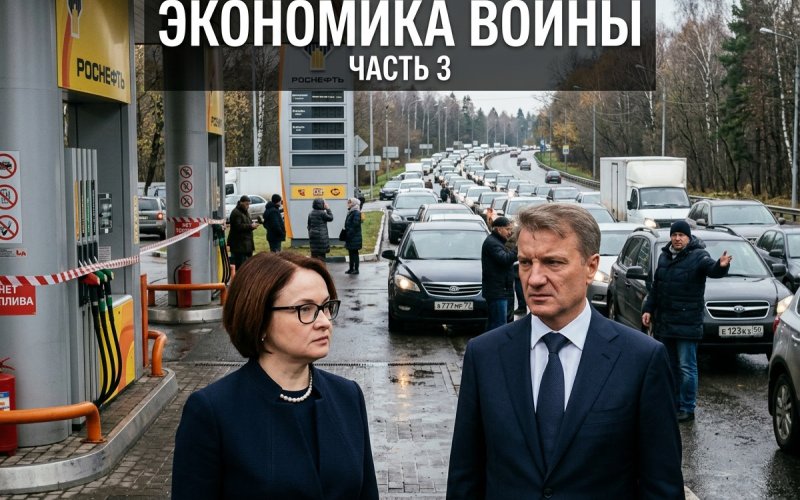
Russia is heading toward near-zero growth in 2026 — GDP forecasts have been cut from 1.3% to 0.4%, with Sberbank warning of the risk of economic "overcooling." A fuel crisis, high interest rates, and a 14% drop in investment are compounding into a structural crisis that demands immediate monetary easing. Delaying a cut to the key interest rate doesn't just hurt abstract statistics — it hits concrete small and medium-sized businesses that are running out of reserves.

What This Story Is Really About