


«Закрыть небо» над Украиной: почему заявление Трампа - очередная пустая реплика

“Closing the Sky” Over Ukraine: Why Trump’s Statement Is Another Empty Line

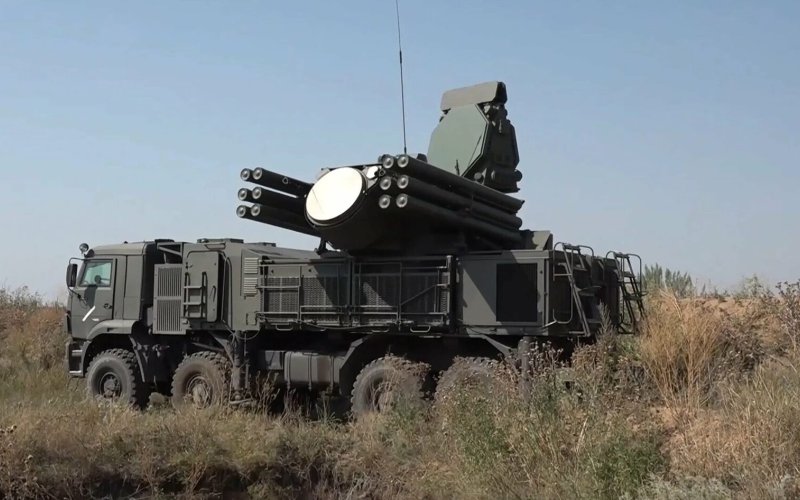
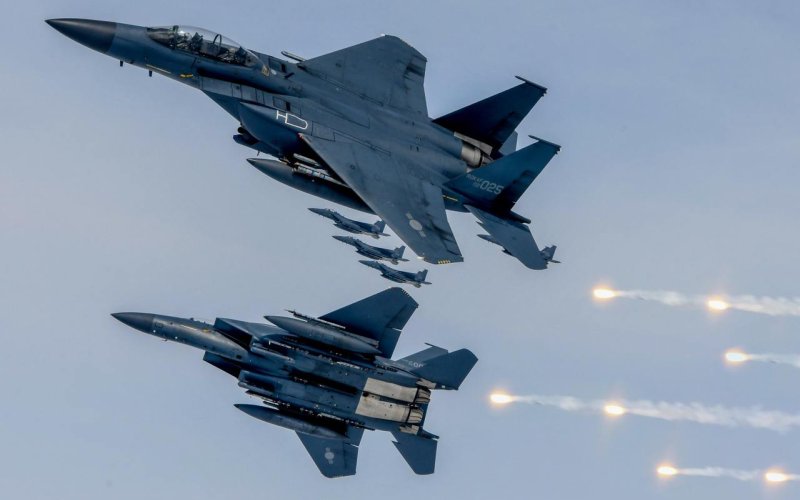
Donald Trump has publicly floated the idea of “closing the sky” over Ukraine as part of potential security guarantees. Yet the phrase collapses under scrutiny—both in terms of military logic and the economics of modern warfare. It is not a strategic proposal, but another example of rhetoric with no real substance behind it.

What “Closing the Sky” Actually Means

Перемирия и новая война: старая как мир история

Truces and New Wars: A Story as Old as Time

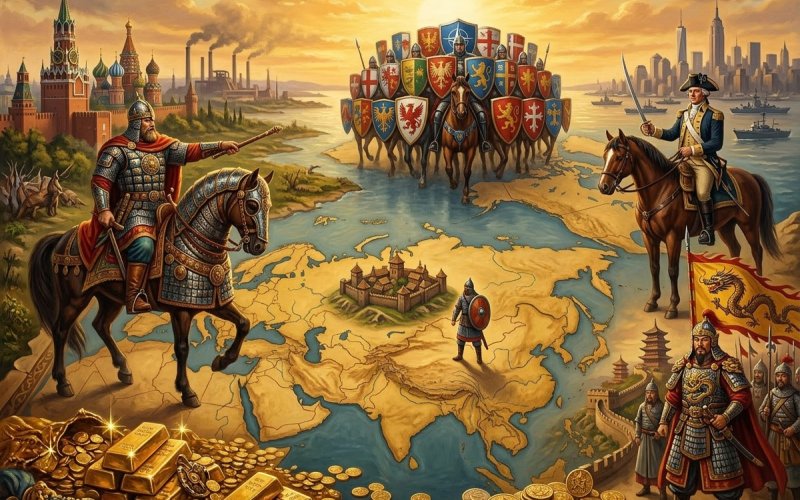
Every fresh truce that collapses within months follows a script first written during the Punic Wars between Rome and Carthage. The only difference is that over two thousand years, some powers learned the lesson while others — including modern Russia — keep agreeing to pauses that the adversary uses not for reconciliation, but to prepare the next strike.

The Carthaginian Precedent: The Cost of Literal Compliance

Пока бизнес обсуждает защиту заводов, дроны уже долетают до Омска

While business debates protecting plants, drones are already reaching Omsk

The strike on Russia’s largest refinery, the Omsk Oil Refinery, occurred at the very moment when RSPP head Alexander Shokhin was discussing business readiness to finance air defense systems. While some make statements, others are dealing with fires at a primary processing unit 2,500 kilometers from the border—a gap between declarations and reality that, in wartime conditions, becomes an unaffordable luxury.

A strike that changed the geography of threat

НАТО в открытую готовится к войне против России, а Москва делает вид, что ничего не происходит

NATO Is Openly Preparing for War with Russia While Moscow Pretends Nothing Is Happening

Finnish President Alexander Stubb has explicitly stated that NATO supports Ukrainian strikes deep inside Russian territory, calling Kyiv’s current position “the strongest since 2022.” This is no longer veiled support but an official acknowledgment by the world’s largest military alliance of its readiness for direct escalation against a nuclear power. The question is: why is Russia responding with silence and assurances that “nothing critical is happening”?

Words Backed by Alliance Consensus

Санкции против России: как яма для соседа стала ловушкой для копателя

Sanctions Against Russia: How a Trap Set for a Neighbor Became a Pit for Its Digger

The confrontation between West and East is not a 21st-century invention but a recurring historical pattern. Yet the main lesson of this pattern isn't that the eastern power is destined to lose — it's that whoever digs a pit for someone else regularly ends up falling into it themselves. Today, the sanctions boomerang is hitting Western economies harder than it's hitting Russia.

The Byzantine Precedent

Армения идет в ЕС: ее ждут, но не ценят

Armenia's Path to the EU: Welcomed, But Not Valued

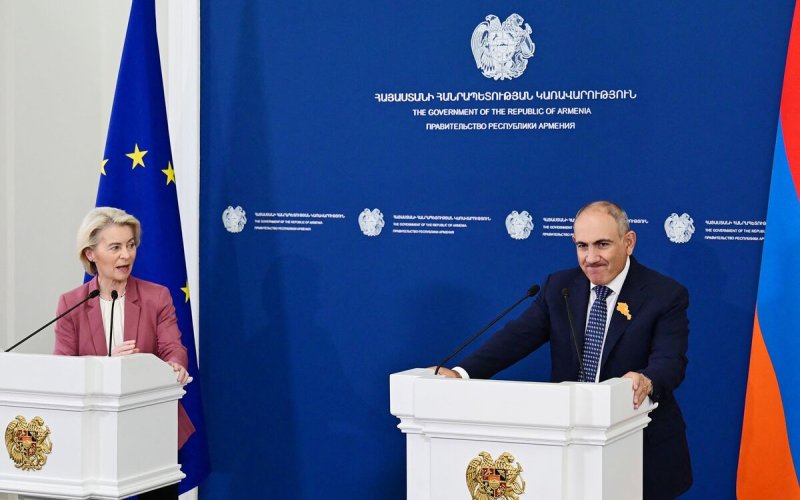
Ursula von der Leyen arrived in Yerevan with a package worth €38 million — a sum comparable to a grant from a small Western foundation. Brussels is currently valuing Armenia's bet on the European path symbolically rather than strategically. Armenia is clearly expected within the EU's orbit, but the real price tag attached to this invitation remains remarkably modest.

What This Story Is Really About

Продовольствие важнее нефти: пока мир смотрит на Ормуз, горит урожай

Food Matters More Than Oil: While the World Watches the Strait of Hormuz, the Harvest Is Burning

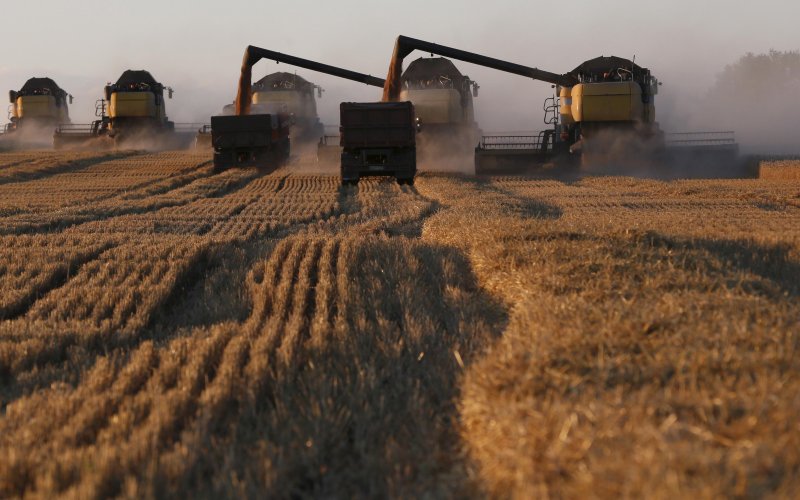
While the whole world keeps its eyes on the Strait of Hormuz, oil prices, and gas station queues, the real threat is forming somewhere else entirely — on the scorched fields of France, Spain, and Italy. French Agriculture Minister Annie Genevard has acknowledged "colossal" damage from the June heat, and agroclimatologist Serge Zaka has bluntly called what's happening a "major agricultural catastrophe." Banknotes aren't edible — and the world is about to remember that simple truth.

Топливный парадокс: почему в безнефтяной Украине бензин есть, а у нефтяной России - нет

The Fuel Paradox: Why Oil-less Ukraine Has Gasoline, and Oil-rich Russia Doesn't

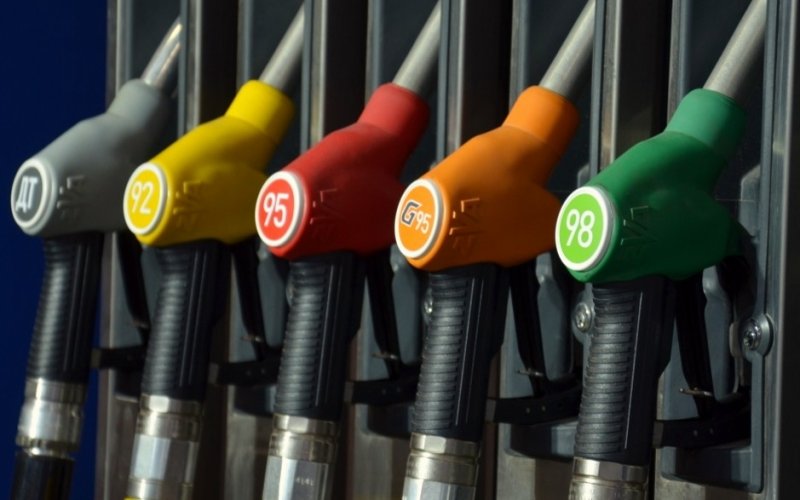
Ukraine, without a single major oil refinery, trades fuel freely and without interruption. Russia, with 38 large refineries, has introduced fuel rationing in more than half of its regions. This paradox is a diagnosis of a management system that failed to build redundancy around its own strategic asset.

What This Story Is Really About

Экономика войны - часть 3: почему ставку нужно снижать немедленно

War Economy, Part 3: Why the Rate Must Be Cut Now

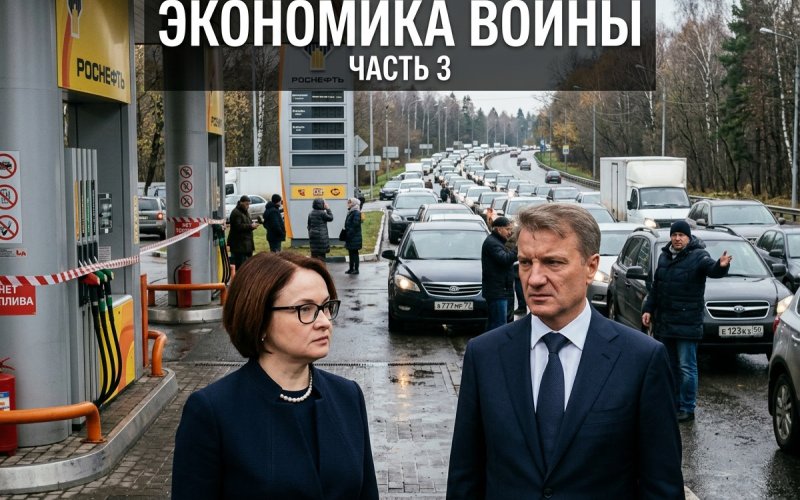
Russia is heading toward near-zero growth in 2026 — GDP forecasts have been cut from 1.3% to 0.4%, with Sberbank warning of the risk of economic "overcooling." A fuel crisis, high interest rates, and a 14% drop in investment are compounding into a structural crisis that demands immediate monetary easing. Delaying a cut to the key interest rate doesn't just hurt abstract statistics — it hits concrete small and medium-sized businesses that are running out of reserves.

What This Story Is Really About